


Generational Differences: Leading in the New Normal
In earlier Touchpoint articles, we discussed client organisations facing increasing challenges in finding successors for retiring Baby Boomer generations among next generation(s). High-potential talents may express reluctance to step up, as they may be less willing to make the same sacrifices and to follow the same beliefs of what leadership should look like. While simplistic attributions to generational differences in leadership need to be treated with caution, we hear clients increasingly speculating about the impact of inter-generational distinctions and their implications when assessing successors and developing younger talents.
The pandemic years added another layer of complexity to this: leaders are currently debating the impact of hybrid working models and more or less rigorous return-to-office mandates, which can bring even more conflict potential between generations to light (e.g., Boomers vs. Millennials vs Gen Z). The rapid change during the Covid years has shown how quickly established beliefs about how we should work can be overcome, so the current debate is even more open and passionate. On top of this, younger executives have more options to work for new employers remotely, and the Covid years have taught them how quickly they can adapt.
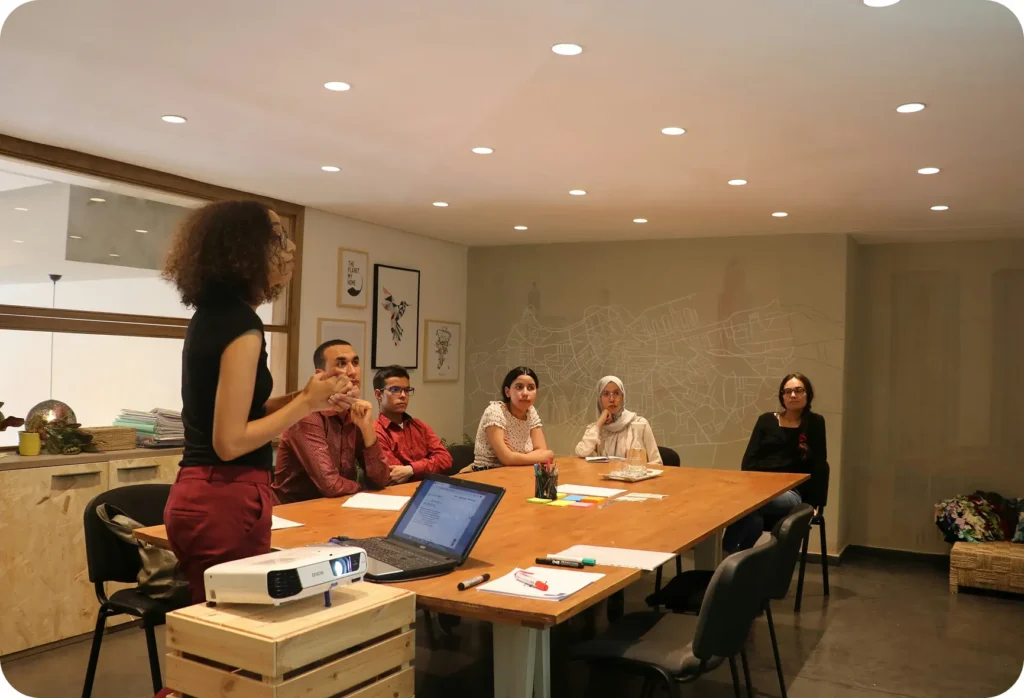
When our clients request help in this context, we have recently started to offer explorational inter-generational workshops for leaders and talents within the same company. With this service, we strive to prevent overly simplistic attributions and to increase mutual understanding by jointly exploring hot topics and concrete critical moments when misunderstandings and conflicts recently occurred. Participants conduct joint root cause analyses of these ‘critical moments‘ and reflect on their different frames of references for evaluating leadership. As one of our clients stated, “The goal is to facilitate joint learnings for leading better together in the new normal.”