


Leveraging Executive Coaching at Scale
Learning through others is one of the powerful ways for leaders to gain new skills or strengthen their capabilities. When we talk with leaders, they often point to a mentor who changed the way they thought about leading people, or a boss that inspired them to master a new skill. It is through this human connection where stories are told, mistakes are shared, and learnings to apply in their own world are often made.
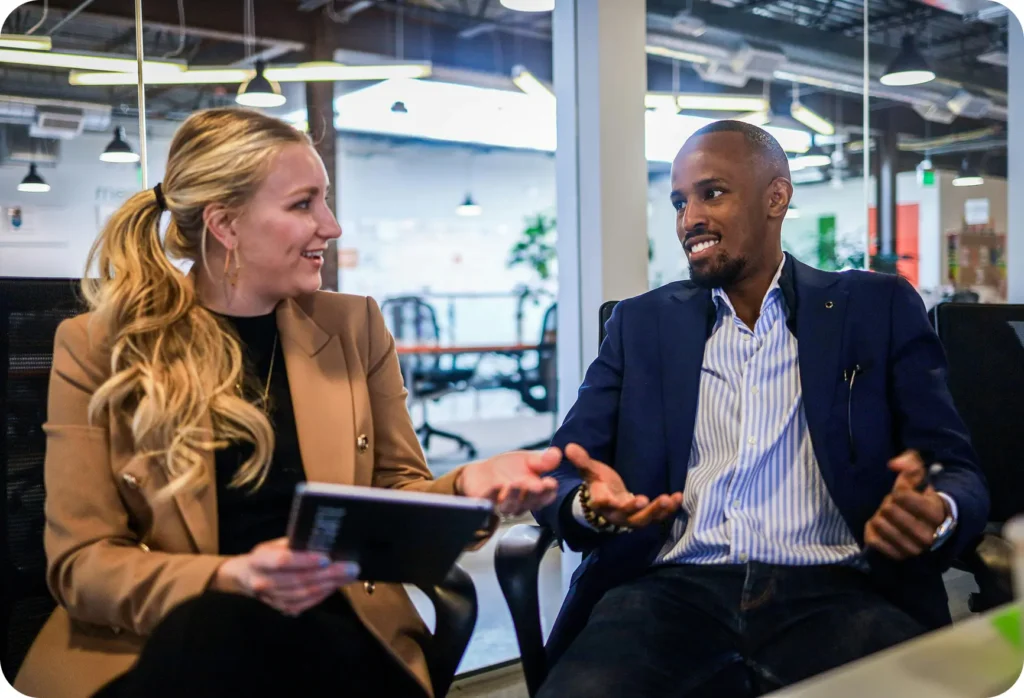
In a remote world, connecting with others has changed, and some leaders say it is harder to connect with those outside of their immediate circle. Companies use many development methods to foster learning through others – training courses, education programs, and mentorships to name a few – although these can be costly and challenging to implement at scale. One way that we’ve seen organizations deal with this challenge is to use a group coaching model. Group coaching is an approach in which people with similar goals work with a coach to strengthen skills. The coach works with the group to facilitate discussion, draw connections between issues, and guide them toward established goals. I personally find groups of three work well, as it allows for enough space for all voices to be heard, without too many voices, which can be challenging to manage.
Why might an organization consider LDW’s group coaching program?
- Strengthen Individual Capabilities at Scale: Executive coaching is widely recognized as an effective approach for building capabilities in an accelerated manner; however, it is a challenge to use at scale. Group coaching brings the same benefits of having a trained coach, but it can reach more people. This is especially beneficial for the mid-level management population.
- Foster an Enterprise Mindset: It is easy to be narrowly focused on your own role and responsibilities. With group coaching, the organization can bring together individuals with shared development goals from different functional areas. During the group coaching sessions, these leaders are going to hear about other areas of the business, which increases understanding of how these functions work together, promotes knowledge transfer, and raises awareness of organizational structures.